Two digits at the end of a ZK:. They prove the code arrives pristine: exactly as sent. On paper, over the radio, on a wall: if the check passes, it is really the place.

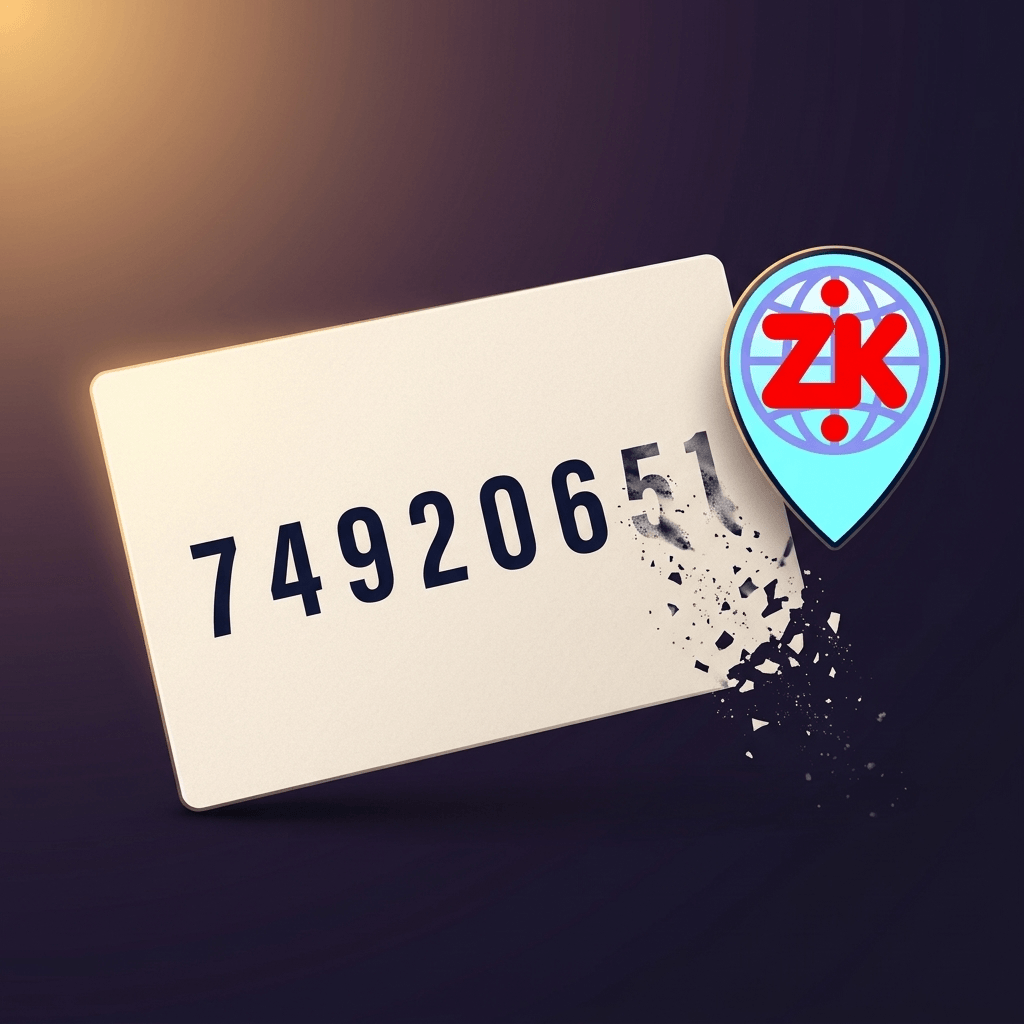
Write a location code on paper. Read it over the radio. Text it in a hurry.
Any of these can flip a digit. And a flipped digit is not a typo:
It is a real place, kilometers away, that someone will trust.
Bank accounts carry check digits. Credit cards, barcodes, boarding passes: all of them self-check. Location codes never did.
The reason: check digits need a fixed-length numeric code, but every current location format is variable, alphabetic, or covered in units.
That makes Zonkod the first and only location code able to carry them.
Zonstamp is the first system that self-checks.
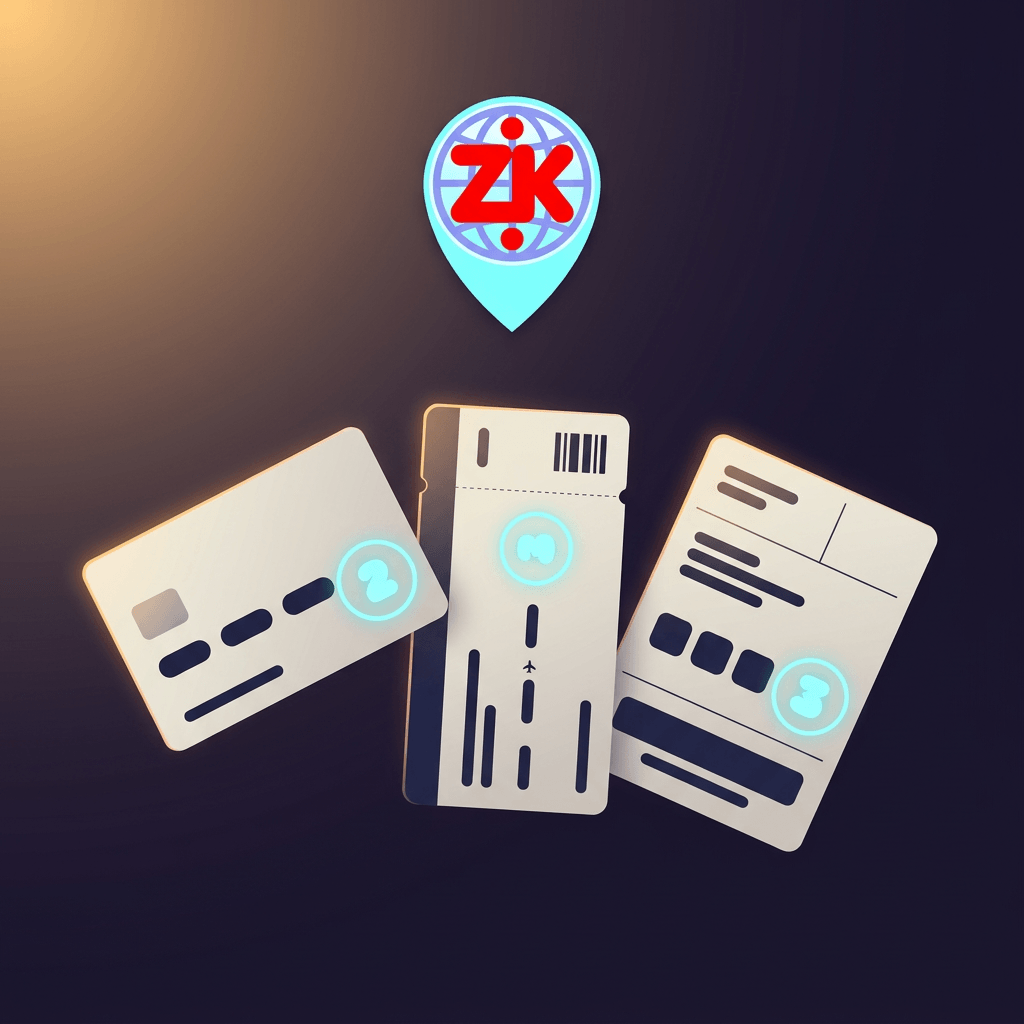
The same ZK:, but with two levels of trust.
A scan alone is a good guess, but the camera may have misread a digit.
The two extra digits turn the guess into a proof and the math says the digits arrived exactly as intended.
On paper, it is the tilde followed by the two digits: ~46.
On the radio, it is spoken as Zulu Sierra, followed by the two digits.
That suffix has a name: a Zonstamp.
In a QR code or a link, the code already checks itself: nothing more needed, so links stay short.
Zonstamp lives for the analog world: paper, voice, radio, images...
Two digits after the code: printed when it leaves the digital world, gone when it comes back.
A QR code carries its own error correction. Scanning it is proof enough.
Share a link, get a link. Nothing appended, nothing to carry.
Two digits printed after the code. That is where errors are born, and that is where Zonstamp lives.
The stamp is never saved: it lives on the trip and vanishes at the scan.
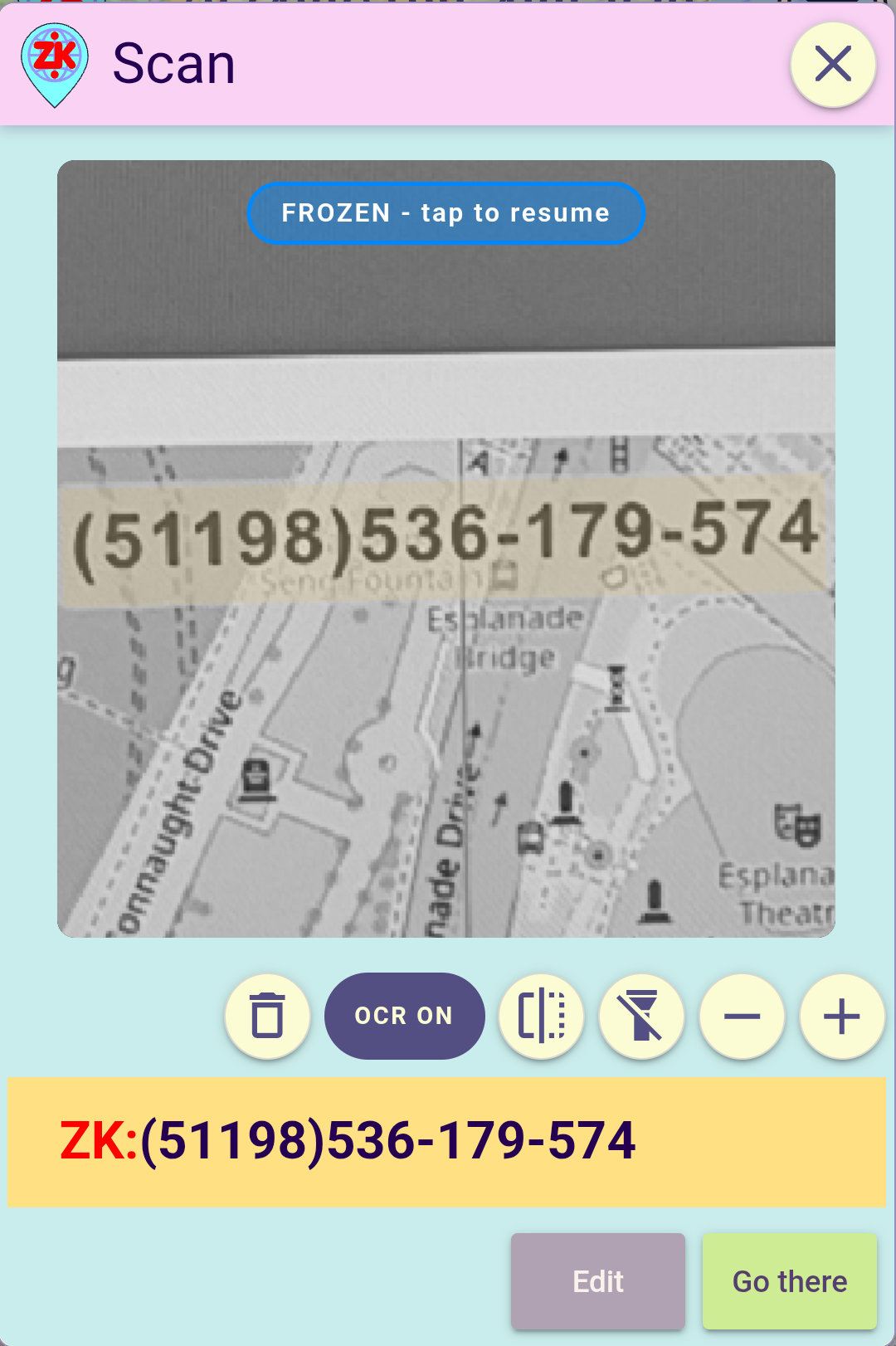
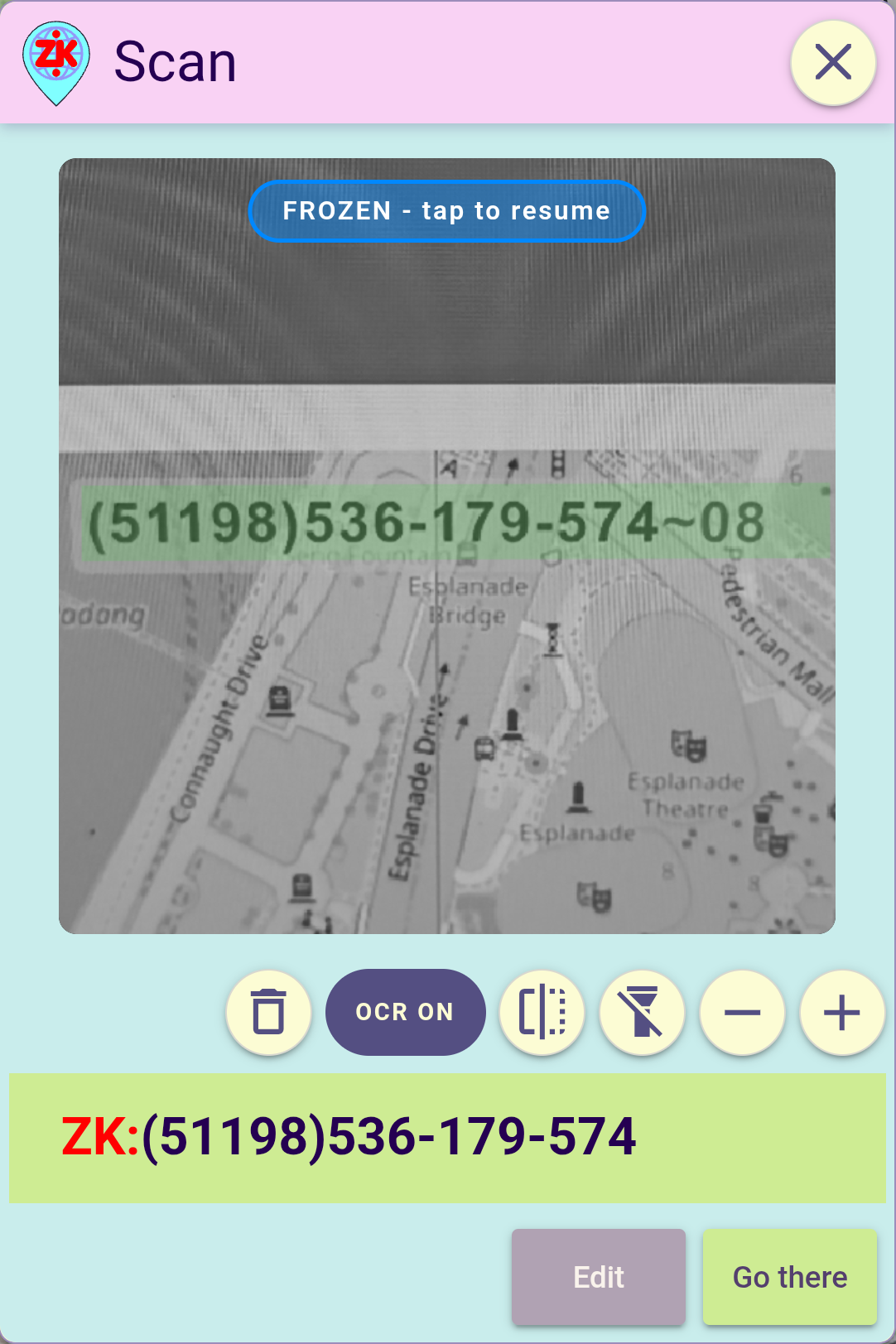
For adding it, just tick the checkbox in the dialog.
And the app does the reading everywhere, automatically, built-in scanner included. Aim, scan, and the field color tells you the truth.
And a failed check refuses the code: wrong locations never reach the map.
The whole Zonstamp brain: 100 numbers. Find the row, read the digit.
A Zonstamp is an annotation: something added to a ZK: only when needed. It uses the Damm algorithm, the cutting edge of check digits. No sums, no math: just this small table.
It detects 100% of single-digit errors, 100% of swapped digits, 100% of duplicated or missing digits (the most frequent errors), and 99% of every other error. Better than your credit card.
Like Zonkod, it works offline. And it can even be computed by hand with this table: finger on the first row, slide from digit to digit.
A ZK: lives mostly on screens: QR codes, links, apps. The risk starts beyond the screen: printed on paper, read over the radio, copied by hand, every time a human is in the loop. That is the journey Zonstamp protects.
Some worlds just don't accept “maybe”. Aviation, defense, emergency response: there, reliability is mandatory.
A simple Zonstamp, two simple digits, elevates a location from “maybe” to “sure”.
Codes read back over radio. A passed check means no readback error: the digits are the right ones.
Far from support, on poor comms: the stamp tells you the location arrived intact.
Gloves, wind, cold: write the code at base camp, check it at the summit. Amber says recheck, green says go.
A location that arrives wrong is worse than no location. Zonstamp refuses the wrong ones.
Stamp a printed ZK: and every scan that passes is proven.
Offshore, the radio is the only link: proof beats hope.
